.
Some nights enter our lives quietly and then stay with us forever—unexpected, unforgettable, and impossible not to smile about when we remember them.
In my previous post, I wrote about the launch of The Art of Detachment in Madrid a couple of weeks ago—a magical evening surrounded by extraordinary people, where I had the joy of sharing deeply human, enriching conversations. It was one of those unforgettable nights, and at the time, I honestly believed nothing could surpass it.
I had no idea what awaited me in Costa Rica.
The night of November 25
Maybe nights become even more meaningful when you experience them in your own homeland.
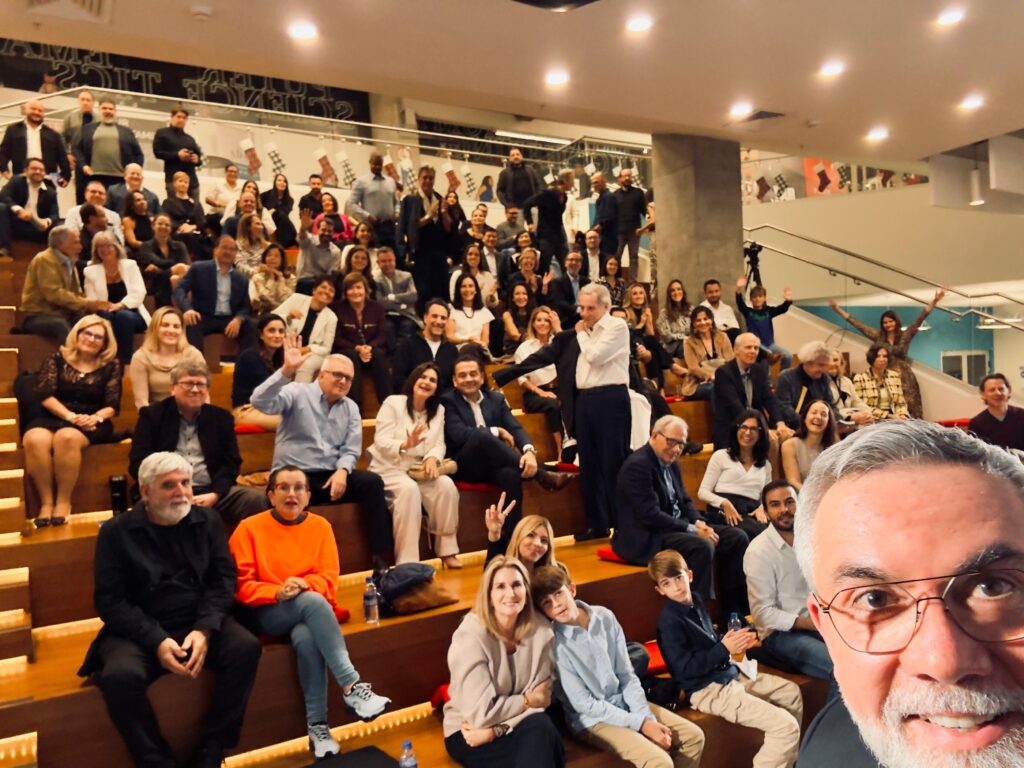
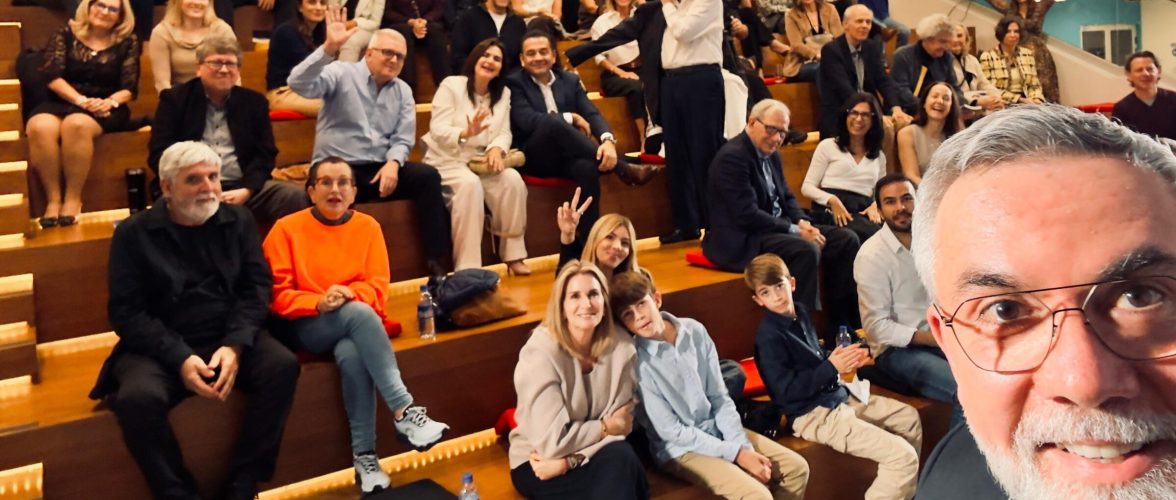
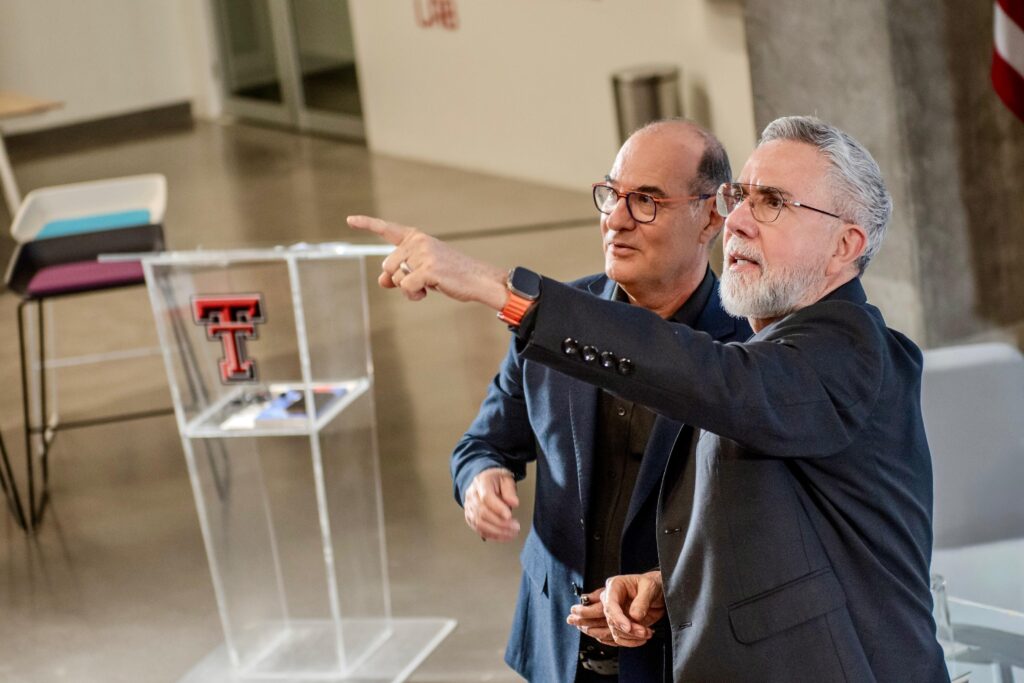
I struggle to put into words what I felt when I walked into the Texas Tech auditorium in San José—generously offered by my brothers in life, Mome and John Keith—and saw it full. More than a hundred people, moved by affection and curiosity, gathered to share this moment.

This new celebration of The Art of Detachment was orchestrated by three soul-friends: Edgar Mata, Carmen Fallas, and Alexandra Franco—my Alex—who gave their time and creativity to design a format unlike anything I’ve ever seen: intimate, raw, and profoundly honest. Edgar led the event with his characteristic professionalism, though he couldn’t fully hide the emotion with which he did it.
As I write in the book:
“Nothing great happens without a loving intention behind it.”
It’s a line I carry with me, and one that always returns when I witness someone’s work infused with passion, commitment, and heart.

What I encountered that night left me breathless. I knew I was presenting my first book—a moment that already carries enough emotional weight—but I did not anticipate, or perhaps I didn’t allow myself to anticipate, the magnitude of the collective embrace waiting for me inside. I came face-to-face with fragments of my own story: the paths I chose, the mistakes and successes, everything I’ve lived. It was overwhelming—an experience that brought me to the edge of tears and that felt, above all, like an act of profound gratitude.
And of course, having my family there was the greatest gift.
There were my brother-in-law, Alberto Franco; Stephanie Howard, our daughter-in-law; Jhon Garcia and Luisa Lopez, our cousins from Miami; my cousins Maritza and Douglas; and our beloved grandchildren, Mauricio and Gaston—accompanied in spirit by little Rafael, who at only two years old had already fallen fast asleep by the time the event began. And then, at the heart of it all: my children, Santiago and Adriana—our pride, our compass, our lighthouse.
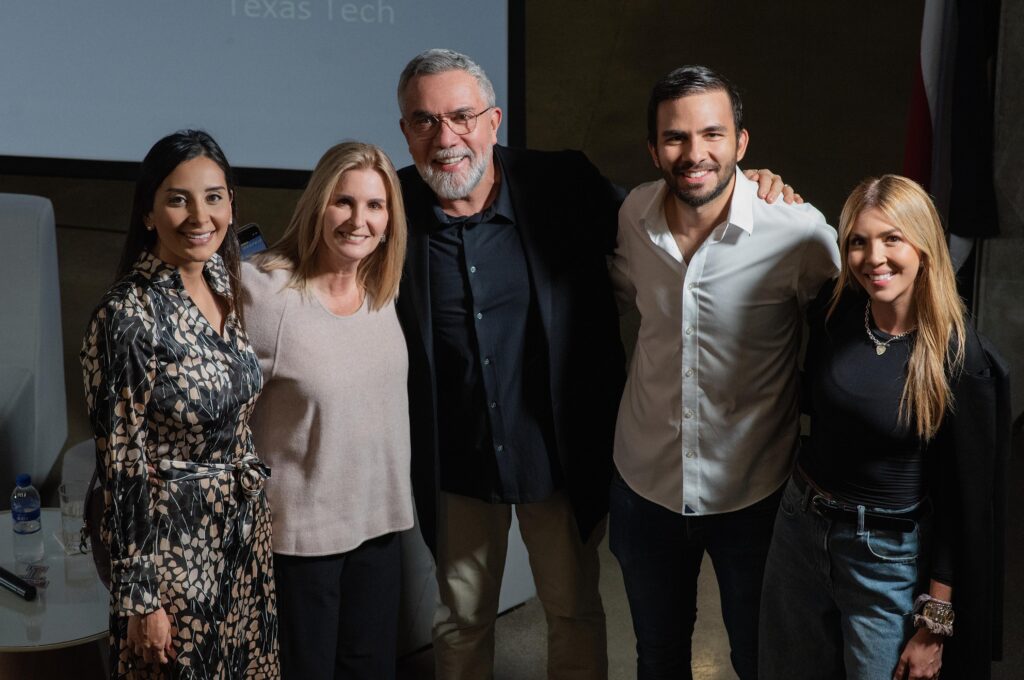
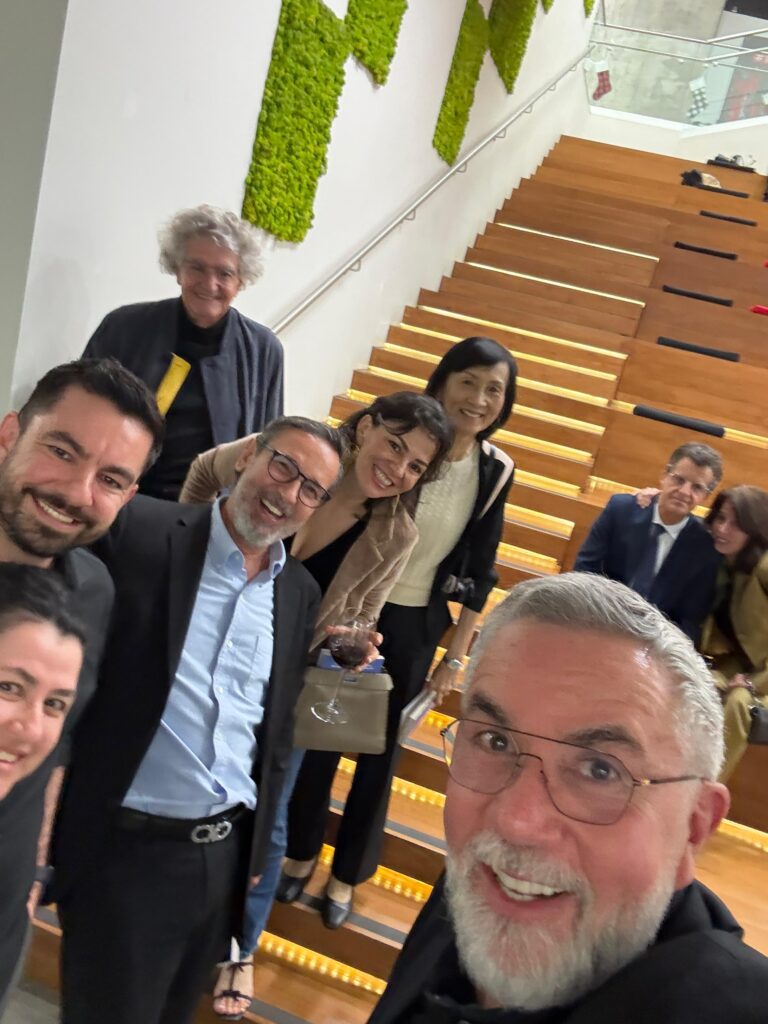
Friends arrived from so many different chapters of my life. Each face, each smile, brought its own joy and surprise. Even now, as I write this, I revisit those faces in my mind and embrace each soul that was present.
I felt profoundly accompanied.
Every smile, every steady gaze, every question, every gesture, every handshake at the end… each one was an expression of affection that went far beyond me.
As part of the evening, every book given out included a donation from the attendees to ADA, the Friends of Learning Association, in support of their “My Fantastic Story” program. Their generosity meant so much.
Thank you—truly—to everyone who was there. From the bottom of my heart.
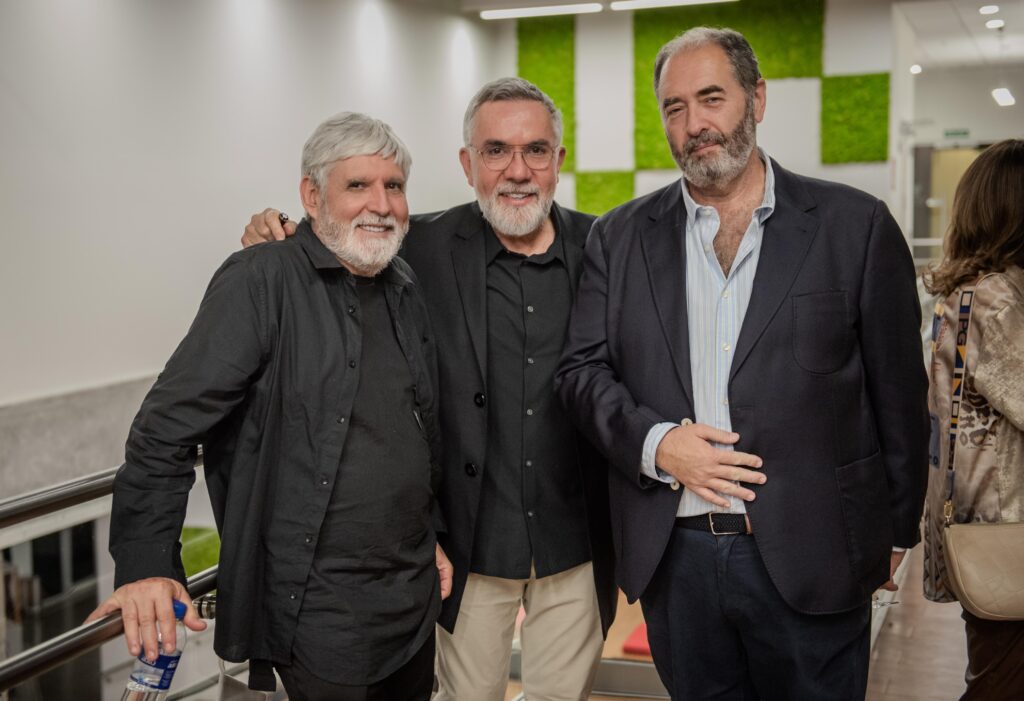
Three voices, one heartbeat
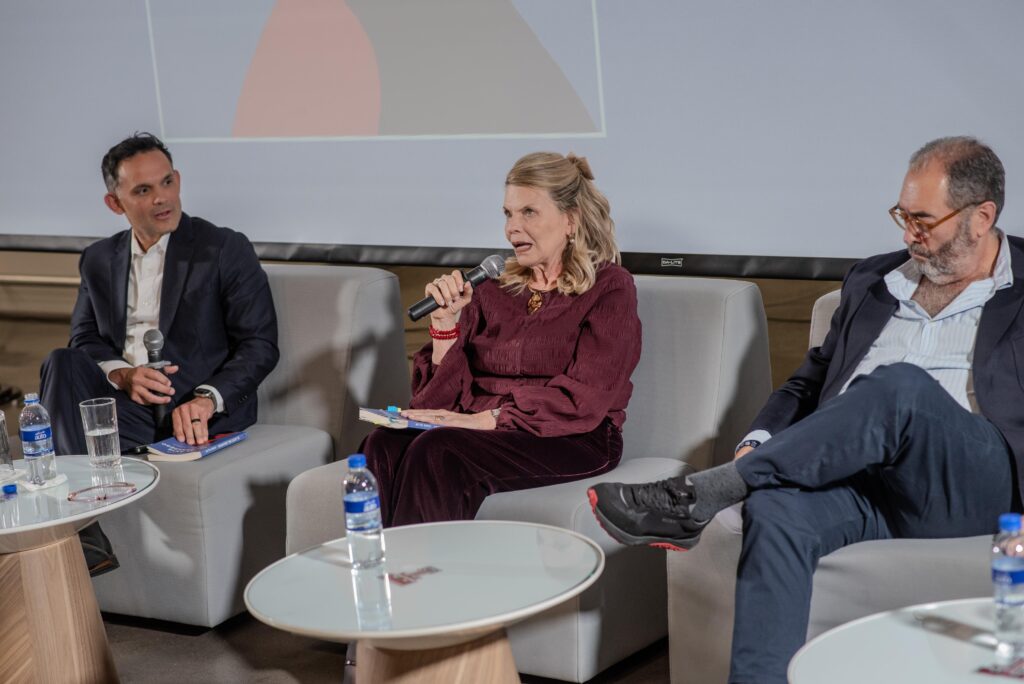
On stage with me were three extraordinary people: Julio González, Margaret Grigsby, and Antonio Hernández-Rodicio. Each of them approached the book from their own world and offered perspectives that genuinely surprised me.
I once read—though I can’t recall the author—that a book stops belonging to you the moment it reaches the hands of a reader. From then on, it becomes theirs, interpreted through the lens of their own experiences. And it’s true. Readers transform a text simply by reading it.
Something Margaret said pierced right through me. With her usual clarity—able not only to read words but also to sense what lies beneath them—she noted that the book contains “raw, sincere, revealing passages, placed there without makeup, with the desire to connect.”
She was right. That is exactly what The Art of Detachment aspires to be.
Antonio also made me reflect when he said he saw detachment as “an act of love—the love that follows the abrupt landing into reality, stimulating and deeply human.”
As he put it: at some point, all of us ask ourselves what we are doing with our lives, what we’re missing, and whether we’re overlooking what truly matters.
Julio’s perspective fascinated me, too. He drew from the book the monumental daily effort of confronting the ego—of wrestling with it, acknowledging it without fear of judgment, and arriving at a place of genuine completeness, free of ballast.
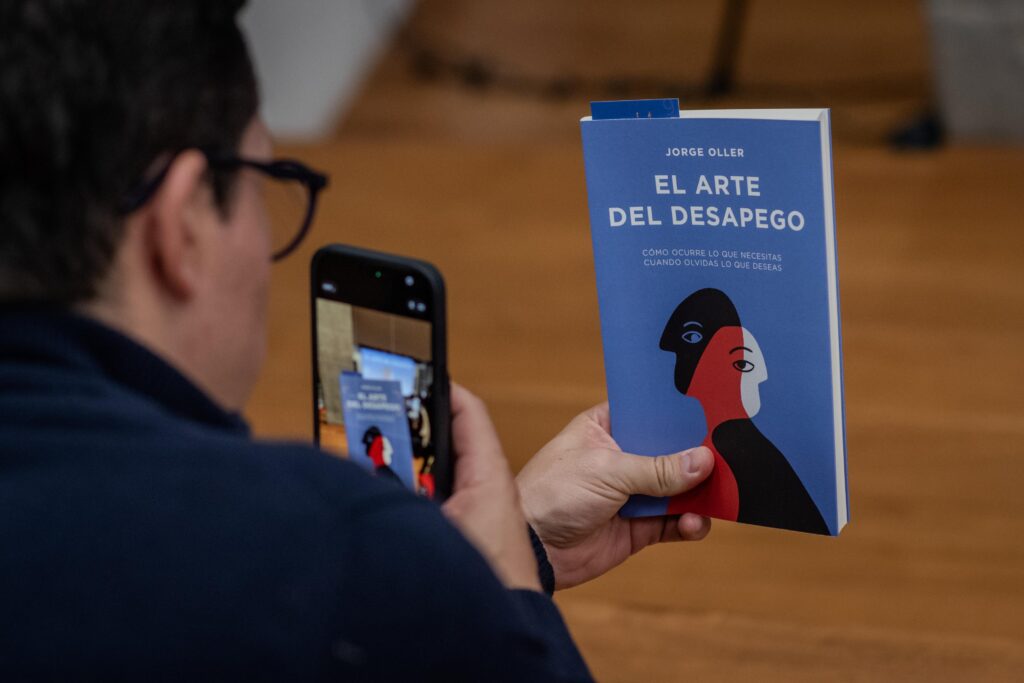
I hope the book will accompany others in that same spirit.
The Art of Detachment moves between what we learn and what we live, between searching and finding, between vulnerability and the discoveries that arise when we release what no longer belongs to us. But it should never be mistaken for a cold gesture or a painful renunciation. It is an apprenticeship—a path back to our inner compass, to what truly matters.
The book travels back and forth between reflections and personal stories, between slow-cooked blog fragments and real-life moments that I hope will add something to each reader. It has been an exhilarating literary experiment.
And above all: Alex
It was an unforgettable night. But I must say, with my heart laid bare, that nothing meant more to me than the moment I could publicly acknowledge Alex—my wife, my inspiration, my muse, my anchor.
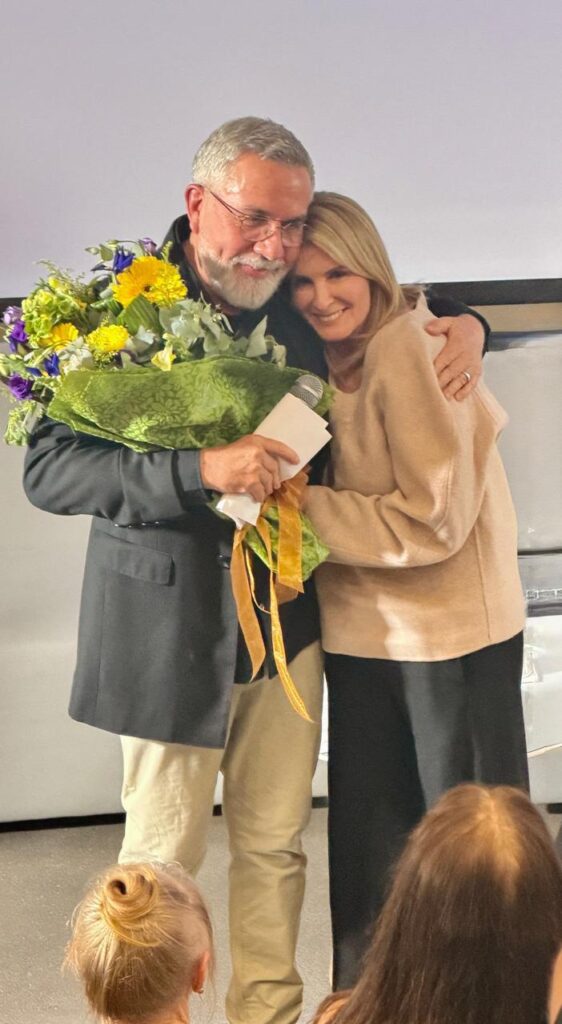
We’re nearing fifty years of walking side by side. Of laughing, stumbling, reinventing ourselves, and growing—quietly, without ever announcing it.
She is present in every single page of the book—even before any words were written. The dedication may be brief, but to me it holds an entire lifetime: To Alex.
When I spoke about it in response to a question from Diego García, the audience broke into applause—an applause I can still hear. As I say in the book, I’ve always tried to live by one principle:
Gratitude is not spoken—it is honoured.

What comes next
The Art of Detachment is now flying free.
As of today, December 3, it is officially published in Spain, and available in ebook format from the same day.
Costa Rica and other Latin American countries will follow soon. I don’t yet know the exact dates, but I will share them as soon as I do.
.
I’d like to close this text with a passage from a poem by Nelson Mandela on forgiveness, liberation, hope, and the future—shared with us by Antonio Hernández-Rodicio. It comes from a poem titled “Letting Go”:
To let go is not to enable, but to allow learning to come from natural consequences.
To let go is not to change or blame another; I can only change myself.
To let go is not to force life into my desires, but to take each day as it comes and appreciate the moment.
To let go is not to shield another from reality, but to allow them to face it.
To let go is not to deny, but to accept.
To let go is not to regret the past, but to grow and live for the future.
To let go is to fear less and love more.